How powerful are the three international giants Mitsubishi Corporation, CapitaLand, and Gamuda Land?
26 May, 2026

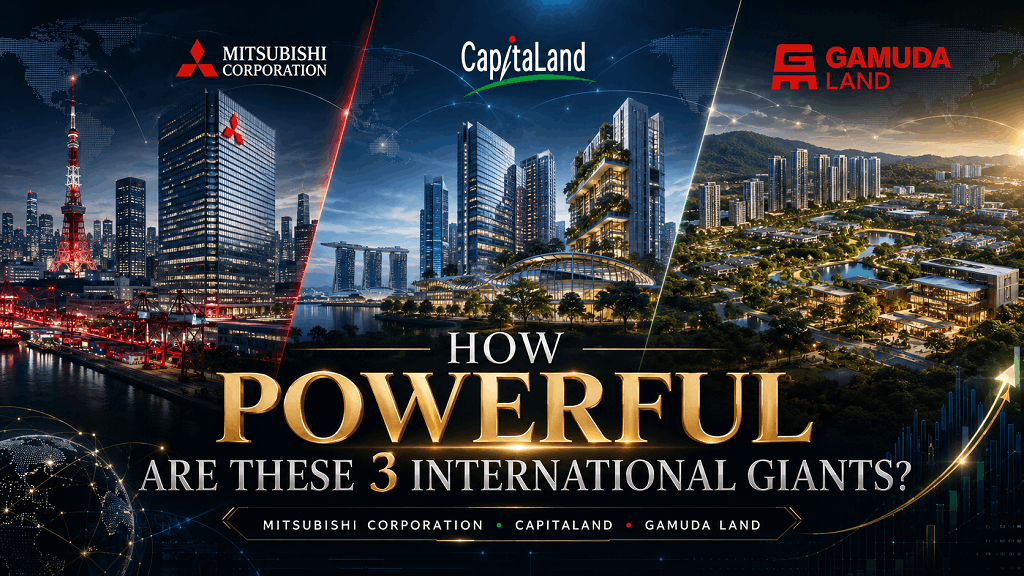
The presence of the three “giants” Mitsubishi Corporation, CapitaLand, and Gamuda Land is creating momentum for the real estate market in Northeast Ho Chi Minh City to enter an unprecedented new development cycle. The international real estate development capabilities of these three “giants” have been proven through a series of central and large-scale urban real estate projects around the world.
Based on that experience, these businesses are focusing on creating fully integrated urban ecosystems, the first of their kind in the northeastern part of Ho Chi Minh City.
Mitsubishi Corporation: Awakening urban values with a century-long vision
As a leading integrated investment and trading conglomerate in Japan, Mitsubishi Corporation possesses a superior advantage in terms of capital scale, global ecosystem, and multi-sector connectivity, ranging from finance, industry, energy, and minerals to urban development. This foundation allows Mitsubishi Corporation to transcend the role of a mere real estate developer, demonstrating its formidable financial strength, among the best in the continent.
Among nearly 200 real estate projects in the US with investments totaling $11 billion, Mitsubishi Corporation stands out with its 800 Broadway project in San Diego, which restructured the urban area, transforming it from a quiet industrial zone into a bustling downtown, attracting transportation, economic, financial, and residential networks, creating a sustainable flow of capital within the city.
Following the same direction, BSD City in Indonesia – a TOD (Transit-Oriented Development) smart city developed by Mitsubishi Corporation – is not just a typical real estate project, but also a restructuring of urban values, changing the way people live, move, and settle. The fact that the BSD City mega-city has attracted over 500,000 residents is clear evidence of the brand’s strength in a long-term development cycle.
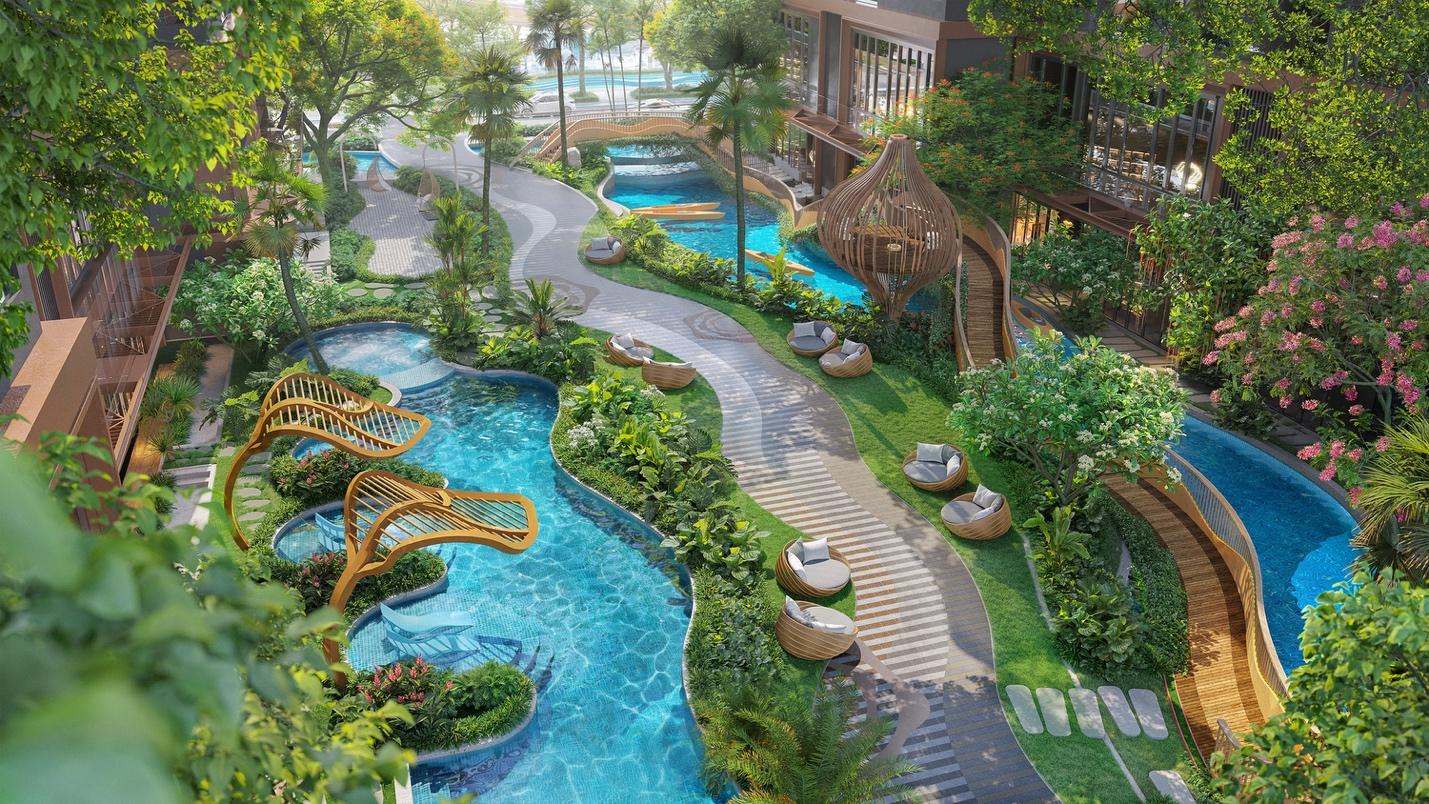
In Vietnam, Mitsubishi Corporation has made its mark in real estate and urban development in two of the country’s largest mega-cities: Vinhomes Grand Park and Vinhomes Ocean Park. After more than 35 years of “exploring” the market, Mitsubishi Corporation recently took a new step forward as a lead developer, bringing global urban development orientation and “Made in Japan” standards to the Northeast of Ho Chi Minh City through the Monrei Saigon project, with its unique model of “The first Water City – Hydrotherapy in Vietnam,” in which the water system is the core functional infrastructure, shaping the spatial organization and health care amenities (According to the Vietnam Record Organization, 2026).
CapitaLand: Creating cities that are symbols of art
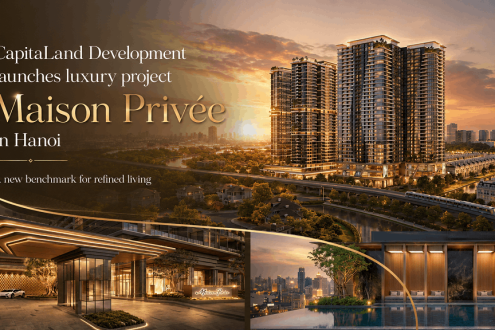
If Mitsubishi Corporation represents the strength of long-term capital and the industrial-urban ecosystem, then CapitaLand is a prime example of capital management capabilities, asset development, and the organization of urban experiences according to Singaporean standards. CapitaLand’s strength lies not in undertaking many projects, but in its ability to transform each project into a destination with its own identity, where housing, commerce, accommodation, shopping, and entertainment are integrated into a vibrant whole.
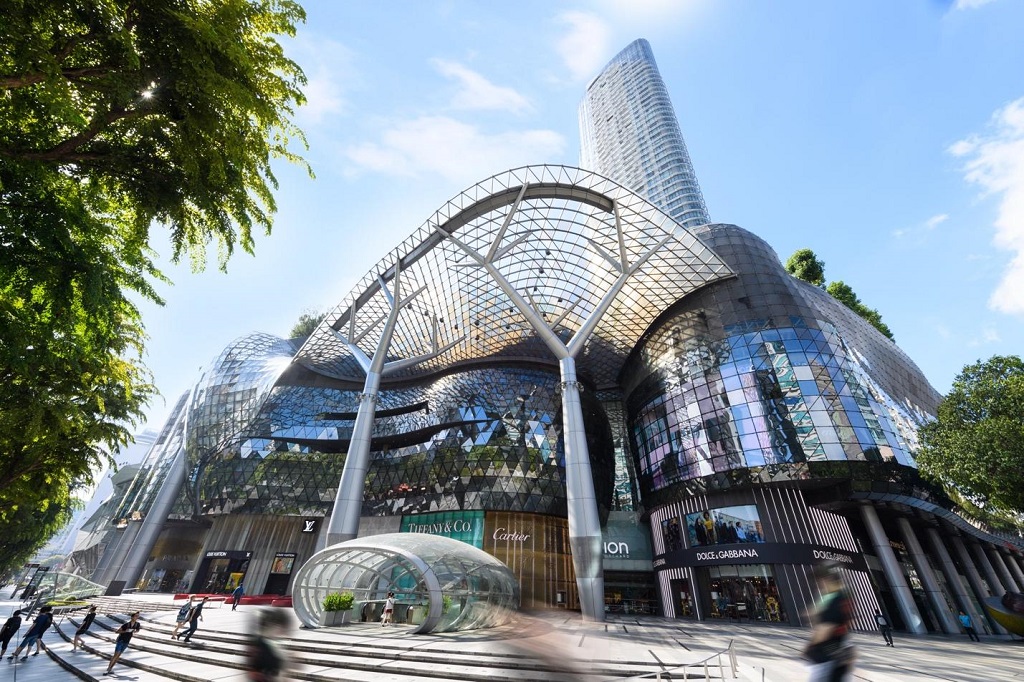
Iconic skyscrapers like Jewel Changi Airport, ION Orchard, Raffles City Singapore, One Pearl Bank, and The Interlace clearly demonstrate this characteristic: strong in symbolism, rich in experience, and capable of creating structures that themselves become part of the urban landscape.
In Vietnam, CapitaLand continues to uphold this position with a portfolio of developments recognized for their meticulous design, stable progress, solid legal foundations, and international living standards.
Gamuda Land: Creating a green megacity thanks to its infrastructure foundation
Unlike the other two brands, Gamuda Land built its success on a very clear foundation: infrastructure. From MRT, LRT, electrified railways to underground projects and railway signaling in Malaysia, Taiwan (China), and Australia, Gamuda established its position through its ability to implement complex urban transportation solutions. This foundation is what differentiates the company when it ventures into real estate: they don’t just build residential areas, but construct living structures based on connectivity, planning, and long-term operational capabilities.
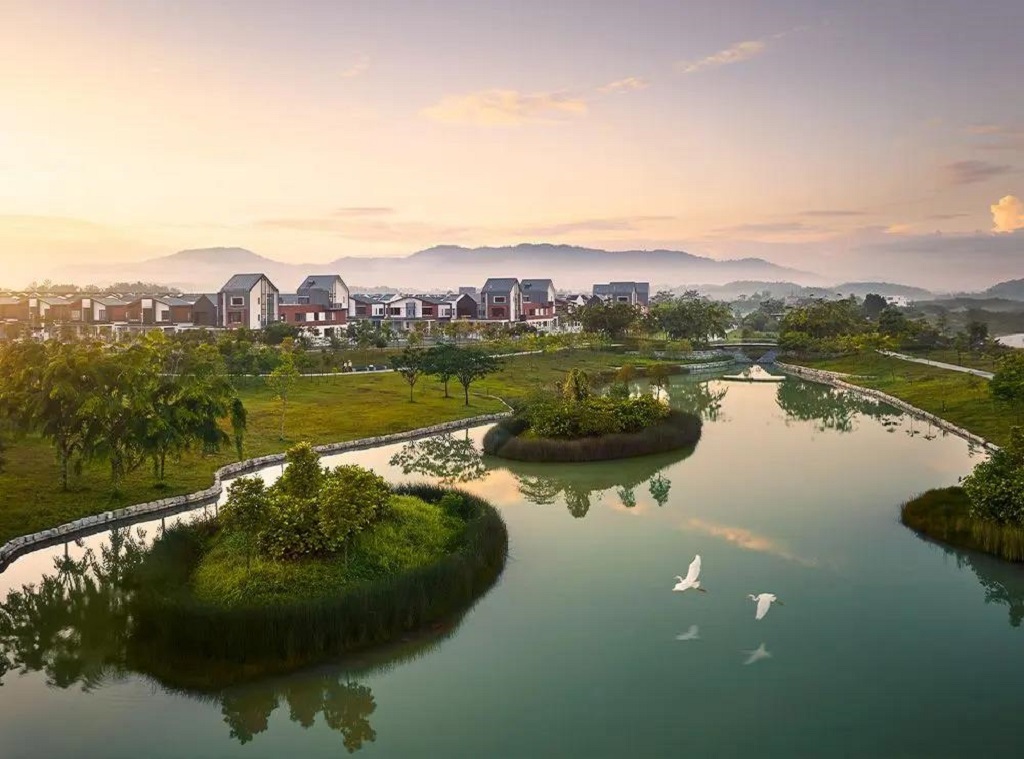
This hallmark is clearly evident in large-scale green urban developments such as Gamuda Gardens in Malaysia, Gamuda City in Hanoi, and Celadon City in Ho Chi Minh City. Gamuda Land’s commonalities include large-scale planning, high green space density, distinct community amenities, and a sustainable development mindset closely linked to long-term quality of life.
Northeast Ho Chi Minh City and the turning point in becoming a “global city”
According to analysts, despite having distinct development philosophies, Mitsubishi Corporation, CapitaLand, and Gamuda Land share a commonality: they don’t just build individual projects, but create complete urban ecosystems.
Therefore, the presence of these “giants” in the Northeast of Ho Chi Minh City goes beyond simply attracting foreign capital. This is a positive sign indicating the increasing attractiveness of real estate in the Northeast of Ho Chi Minh City.
Mr. Bui Van Doanh, Director of the Vietnam Institute of Real Estate Research (VIRES), shared: Previously, the real estate market in Binh Duong was still a niche market. Most products were developed to attract foreign investors rather than serving local needs, leading to considerable hesitation among investors. Now, the situation has completely changed. When placed within the context of a megacity – an integral part of the expanding ecosystem of Ho Chi Minh City – this market has acquired a completely different status.
Also explaining the unique appeal of the Northeast area of Ho Chi Minh City, Associate Professor Dr. Tran Dinh Thien, former Director of the Vietnam Institute of Economics, emphasized that the concept of “going to Binh Duong” has long reflected a real phenomenon: massive population migration, a powerful urban migration. Today, this model continues, but in a new direction. Due to major challenges in the West, a significant wave of population migration is taking place, concentrating in the East. This is a golden opportunity, creating new momentum for the development of the Northeast area.
With the development of infrastructure in the Northeast of Ho Chi Minh City, many experts believe that real estate located near infrastructure axes such as National Highway 13, Metro Line 2 (Binh Duong), and Ring Road 3 will be assets that directly benefit, becoming “golden land” for capital anticipating infrastructure development and attracting investors.
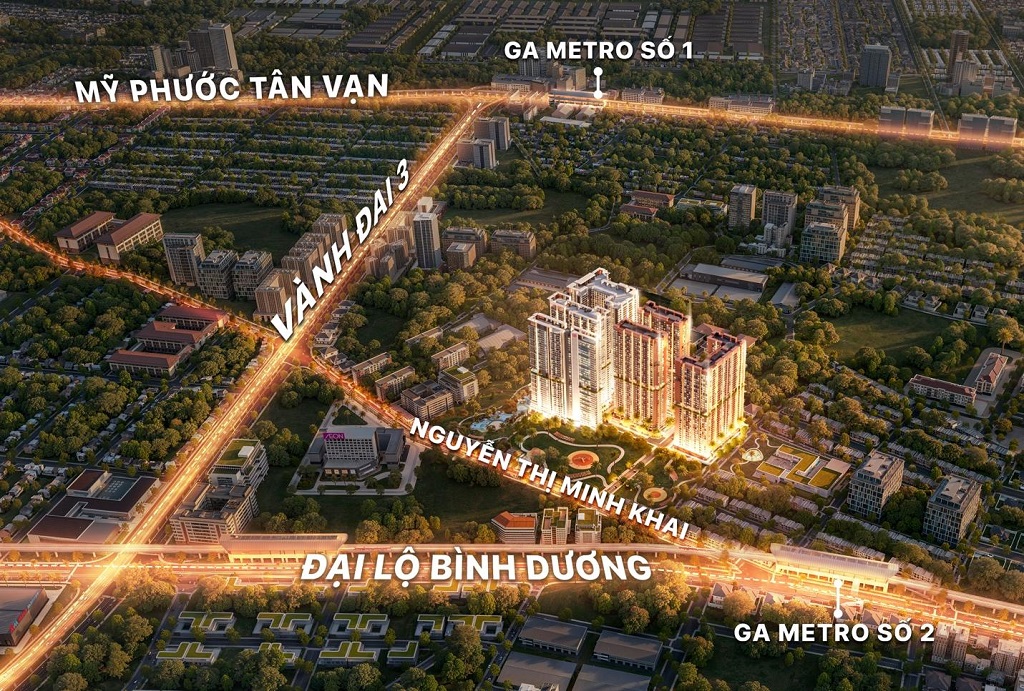
The real estate market is undergoing a significant transformation, with genuine homebuyers gradually taking control. After a long period of intense price surges, the market is cooling down and returning to its true value. Now, it is the buyers with real housing needs who determine the market’s intensity. This is also why international developers such as Mitsubishi Corporation, CapitaLand, and Gamuda are increasingly creating a distinct advantage in the high-end real estate market in the Northeast of Ho Chi Minh City.